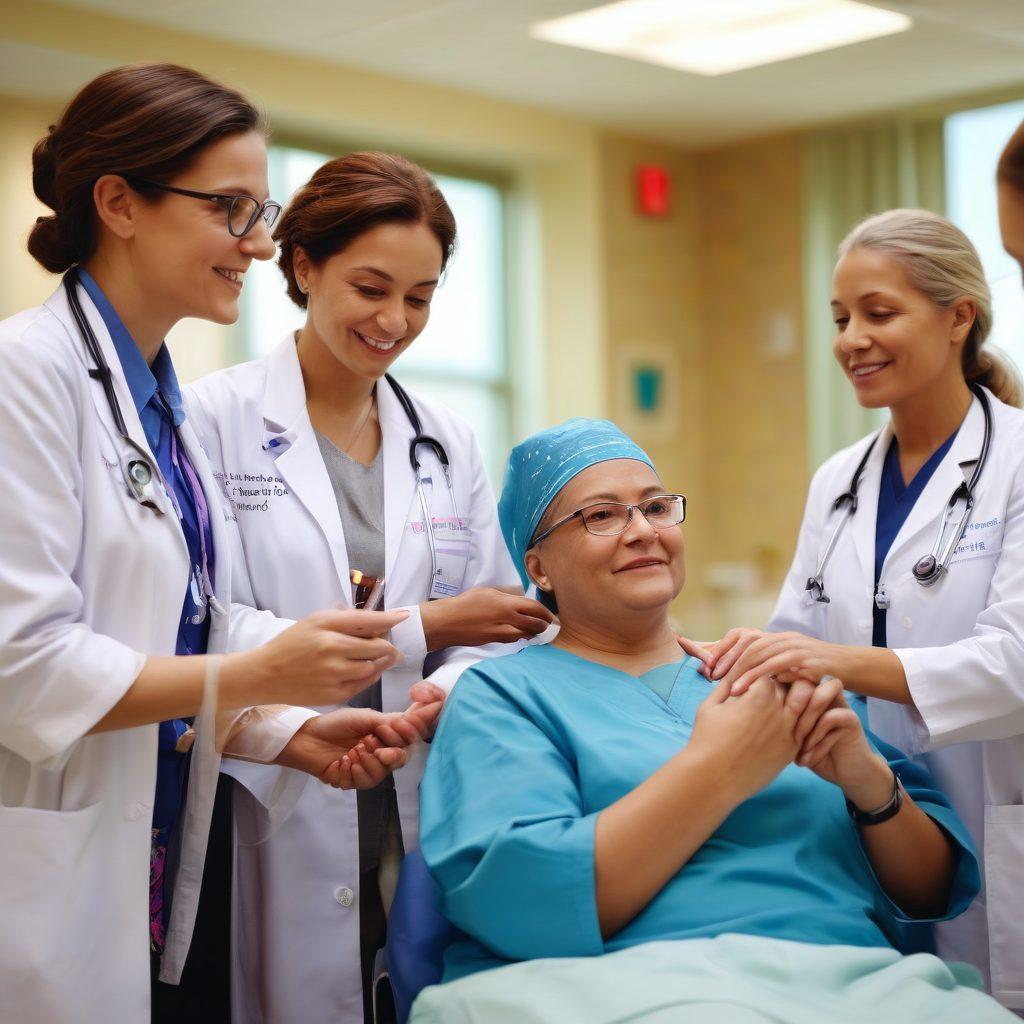
Empowering Lives: Navigating Cancer Care and Advocacy in the Modern Healthcare Landscape
In a world where cancer remains a formidable opponent, the power of patient advocacy cannot be underestimated. Imagine standing at a crossroads, surrounded by a maze of healthcare terminologies like 'tumor', 'malignancy', and 'carcinoma'. You’re not alone; countless individuals find themselves in similar positions, overwhelmed by medical jargon and the complexity of navigating oncology. Here lies the pivotal role of patient advocacy, a beacon of hope and support for individuals facing cancer diagnoses and treatments. With effective advocacy, we champion change, helping patients not only understand their disease better but also actively participate in the journey towards recovery.
Picture this: a parent receives the news that their child has cancer. The world as they know it spirals into confusion, fear, and an urgent need for information. In these moments, the importance of reliable patient advocacy becomes profoundly evident. Patient advocates serve as guides through this bewildering landscape of cancer care. They arm families with crucial knowledge about disease prevention, treatment options, and even survivorship resources. They bridge the gap between the medical community and the patients, ensuring the concerns of those battling malignancies are heard and addressed.
The essence of patient advocacy is rooted in education and empowerment. Through various cancer initiatives, advocates not only disseminate information but also foster environments where patients can share experiences and seek support. Support groups have become lifelines for many, igniting conversations about everything from managing side effects of cancer therapies to celebrating milestones in recovery. Have you ever wondered how these sharing circles contribute to holistic health for cancer survivors? Each story is woven with resilience, and with each word spoken, more hope is cultivated within the community.
Advocacy also extends into the realm of scientific research—ever questioning how new discoveries in cancer treatments come about? Patient advocates are increasingly playing roles in shaping research agendas, ensuring that the needs and perspectives of those affected by cancer are considered. This creates a dynamic where early detection and preventive care are emphasized, ultimately leading to better health outcomes. The question arises: how can each of us contribute to this advocacy? Whether through volunteering for cancer mentorship programs or participating in health blogging to spread awareness, every action counts.
As we navigate the complexities of healthcare, the role of patient advocacy emerges as crucial; it empowers individuals to take charge of their health narratives. Connecting patients with educational resources not only promotes well-being but also fosters a sense of community that is vital in the fight against cancer. In this landscape, patient advocacy is more than a support system; it is the heartbeat of a movement that seeks to uplift those facing the challenge of cancer, turning fear into community and isolation into shared strength. Will you join the cause and become an advocate for change?
From Surviving to Thriving: The Importance of Holistic Health and Support in Oncology
In the journey of battling cancer, patients often find themselves navigating uncharted waters— from the complexities of treatment options to emotional upheaval. It’s during these times when the role of holistic health and support becomes not only significant, but essential. But what does it mean to move from simply surviving to truly thriving in the face of malignancy? Leaning into a holistic approach to healthcare invites us to consider not just the physical aspects of cancer, such as tumors and carcinomas, but also the emotional and psychological dimensions that are critical for well-being. After all, thriving is much more than a medical outcome; it encompasses a whole life revived and flourishing.
Imagine waking up each day, feeling empowered rather than overwhelmed, despite the weight of a cancer diagnosis. This transformative shift begins when we take ownership of our journey—through patient advocacy, expanding our understanding of the medical community, and making informed choices about cancer therapies. Take a moment to ask yourself: How well do you understand the holistic health practices that can complement your treatment? Integrating disease prevention tactics, including lifestyle changes and preventive care measures, can encourage not just survival but a rich, meaningful life after cancer. It’s all too easy to view survivorship as a box checked; however, this mindset can dilute the power of recovery and resilience.
Holistic health is rooted in a comprehensive view of the person, acknowledging the interplay of physical, emotional, and social factors in managing cancer. Support groups, as a pillar of holistic care, enable connections among those who know the journey intimately, fostering a sense of community that can alleviate feelings of isolation. One cancer survivor remarked, "Surviving is one thing, but having a network to lean on while doing it makes all the difference." This highlights the importance of cancer mentorship—experienced survivors lending their voices to guide others, igniting hope where shadows of doubt once loomed.
Furthermore, patient education stands at the forefront of navigating healthcare. Information is empowering, and staying informed about scientific research and cancer initiatives can be pivotal in equipping oneself for battles ahead. Early detection is critical in the fight against malignancy—what you learn today can be your protector tomorrow. Ask yourself: Are you keeping up with the latest advancements in oncology? Through health blogging and community resources, you can stay engaged with ongoing research that may shape your treatment options.
In closing, the journey from surviving to thriving is a shared experience, one that embraces the notion of ongoing growth despite life’s challenges. It’s not just about beating cancer; it’s about redefining what health means for you. So, whether it’s through spiritual wellness practices, engaging in support groups, or empowering yourself with knowledge, remember: your path is uniquely yours. Take charge of your narrative, advocate for the care you deserve, and nurture the conviction that thriving is not just possible; it’s within your reach. Together, we can foster a culture that values holistic health as we navigate the intricate labyrinth of oncology and beyond, making every day count in our survivorship stories.
Transforming Challenges into Opportunities: Empowering Patients through Education and Early Detection
In the journey of health and wellness, navigating the complexities of cancer care can feel overwhelming. However, within every challenge lies an opportunity—a chance to empower patients towards a healthier, more informed path. The landscape of oncology has been evolving rapidly, making patient education an essential tool in the battle against malignancy. Have you ever wondered how knowledge can transform a daunting diagnosis into a manageable plan of action? By understanding the vital role of education and early detection in combating tumors, patients can reclaim control over their well-being and thrive in their survivorship journey.
Imagine walking into a doctor's office only to hear the word 'carcinoma.' For many, this moment can feel like the ground has shifted beneath their feet. But what if, instead, you were equipped with the knowledge of possible treatment options, support groups, and resources for preventive care? Education is not just a commodity; it's a lifeline. As we discuss the significance of patient education and early detection, remember that every piece of knowledge you gain can be a stepping stone towards informed decisions in your health care journey. It’s about transforming that initial fear into a quest for empowerment, for you and your loved ones.
In today’s medical community, patient advocacy plays a crucial role in creating that environment of empowerment. Organizations are now focusing on providing resources, not just for understanding the disease but also for navigating healthcare efficiently. Initiatives that encourage cancer mentorship can help demystify the process, allowing patients to learn from the experiences of others who have faced similar challenges. Think about it—wouldn't you feel more secure knowing there is a network of individuals standing by you, ready to share their insights and victories?
One of the most effective strategies in disease prevention is the emphasis on early detection. Scientific research continues to unveil innovative cancer therapies and screening techniques that can catch malignancy in its infancy. The earlier a tumor is detected, the greater the chances for successful treatment and positive outcomes. Embracing a holistic health approach means recognizing the importance of regular screenings and assessments as a part of a proactive patient journey. Are you committing to your health today by scheduling that long-overdue check-up?
Support groups play an instrumental role post-diagnosis, weaving a safety net of shared experiences that can greatly enhance one’s mental and emotional well-being. Through health blogging and community discussions, patients can engage in meaningful dialogue, bowl over obstacles together, and celebrate milestones in their fight against cancer. It's about more than just surviving; it's about thriving through knowledge, connection, and like-minded advocacy. How can you contribute to these discussions and help transform others' challenges into opportunities for growth?